Brick vs. Stone Flooring: Choosing the Right Surface for Businesses
People searching for brick or stone flooring installation are typically looking to enhance their business space with durable, attractive surfaces, and local contractors can help them choose and install the right material.
Deciding between brick and stone flooring for a business space involves more than just aesthetics; it requires a practical understanding of each surface’s benefits and challenges. Property owners in the area often explore this topic to ensure their flooring choice aligns with durability, maintenance needs, and overall style. Whether considering the classic appeal of brick or the natural strength of stone, understanding the differences can help in making an informed decision that enhances the property's value and functionality. Local contractors specializing in brick and stone installation can provide valuable insights and professional expertise to help navigate these options effectively.
As businesses seek flooring solutions that stand up to foot traffic and reflect their brand image, the choice between brick and stone becomes a key consideration. Each material offers unique qualities that may suit different operational needs and design preferences. Property owners interested in this topic can find experienced service providers in the area who are ready to assist with expert installation and advice. Continuing to explore the benefits and applications of brick versus stone flooring will help ensure the right surface choice supports both the appearance and performance of a commercial space.
- Brick flooring installation services are sought when businesses want a traditional, durable surface that enhances historic or rustic aesthetics, with local contractors skilled in proper substrate preparation and mortar application. Stone flooring installation is chosen for its natural beauty and longevity, with service providers experienced in selecting suitable stone types and ensuring precise fitting for high-traffic commercial spaces. When businesses need to decide between brick vs. stone flooring, local pros assess the environment and traffic demands to recommend the most appropriate surface and installation techniques. These specialists handle everything from surface leveling to finishing, ensuring the chosen material withstands daily wear and complements the business’s style.
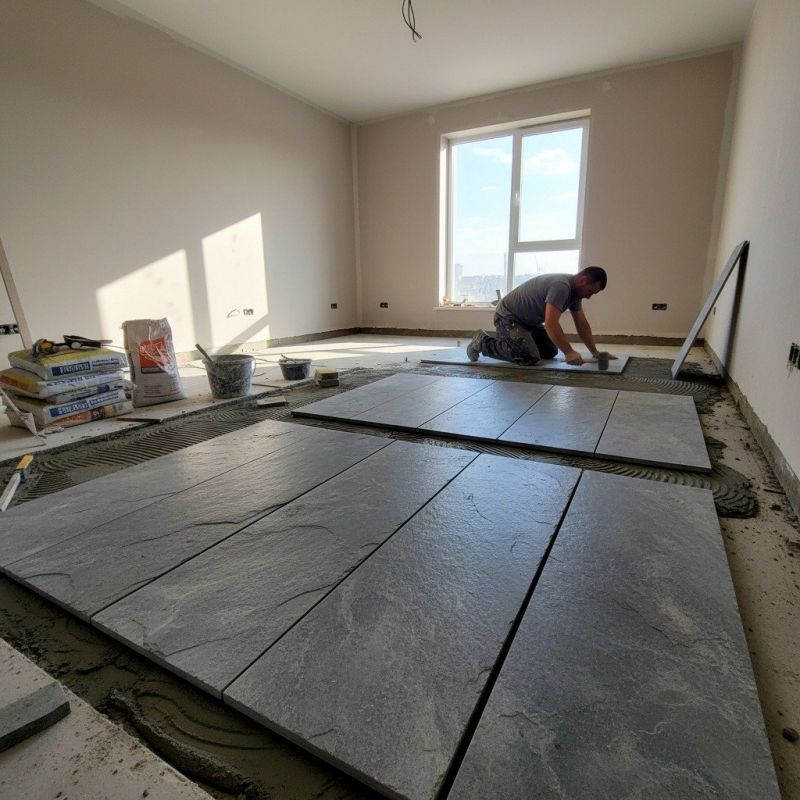
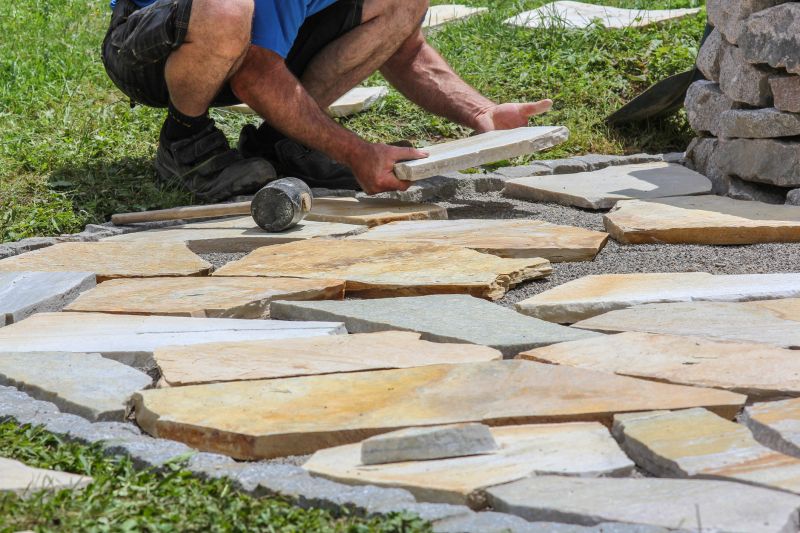
When people search for brick vs. stone flooring: choosing the right surface for businesses, they are often trying to determine which material best suits their commercial space’s needs. This topic typically arises during planning or renovation phases when property owners are considering durable, attractive flooring options for retail stores, restaurants, offices, or other commercial properties. The decision involves evaluating factors such as appearance, longevity, maintenance requirements, and how well the surface aligns with the business’s brand or aesthetic. Property owners may also be concerned with how the flooring will withstand heavy foot traffic, equipment, or outdoor exposure, prompting them to explore the differences between brick and stone as viable solutions.
This topic relates to a range of problems and plans that involve creating a welcoming yet practical environment for customers and employees. For example, a business owner might seek to update an outdoor patio or entrance with a surface that offers visual appeal and durability. Alternatively, they might want to replace worn flooring inside a retail space with something that reduces maintenance while enhancing the overall look. The choice between brick and stone flooring also ties into broader renovation projects, such as expanding outdoor seating areas or upgrading interior flooring to improve safety and appearance. Local contractors who specialize in brick or stone installation can help navigate these considerations, ensuring the chosen surface meets the specific needs of the property.
Properties that typically feature brick or stone flooring include commercial storefronts, restaurant patios, retail centers, and office lobbies. Outdoor spaces often use brick or stone to create a durable, weather-resistant surface that can handle foot traffic and exposure to the elements. Indoors, these materials are selected for their aesthetic appeal and long-term resilience, especially in high-traffic areas. The choice of material can also depend on the architectural style of the property-brick may complement a rustic or vintage look, while stone can provide a more refined or natural appearance. Local service providers who specialize in brick and stone installation are familiar with the specific demands of different property types and can recommend the best options for each project.
Understanding the differences between brick and stone flooring helps property owners make informed decisions that align with their project goals. Brick flooring offers a classic, textured appearance and is often easier to install and repair, making it suitable for outdoor walkways or patios. Stone flooring, on the other hand, provides a more polished, high-end look and tends to be more durable under heavy use. Both materials require proper installation by experienced local contractors to ensure longevity and performance. When considering brick vs. stone flooring: choosing the right surface for businesses, property owners should evaluate the specific environmental conditions, aesthetic preferences, and functional requirements of their space. Connecting with local pros can provide the expertise needed to select and install the ideal flooring surface for any commercial project.
Paving projects - local contractors skilled in brick and stone paving can help design durable surfaces suitable for commercial walkways and outdoor spaces.
Patio and outdoor surface installations - professionals experienced in installing brick or stone surfaces can create attractive, long-lasting outdoor business areas.
Commercial landscaping services - experts in landscape design often incorporate brick or stone elements that complement flooring choices for business exteriors.
Retaining wall construction - building retaining walls with brick or stone requires planning and skills similar to those used in flooring installation projects.
Interior tiling and surface finishing - local service providers can assist with installing brick or stone accents that enhance interior business spaces.
Hardscaping and outdoor feature design - specialists in outdoor features utilize similar tools and planning methods as those used in brick vs. stone flooring installations.
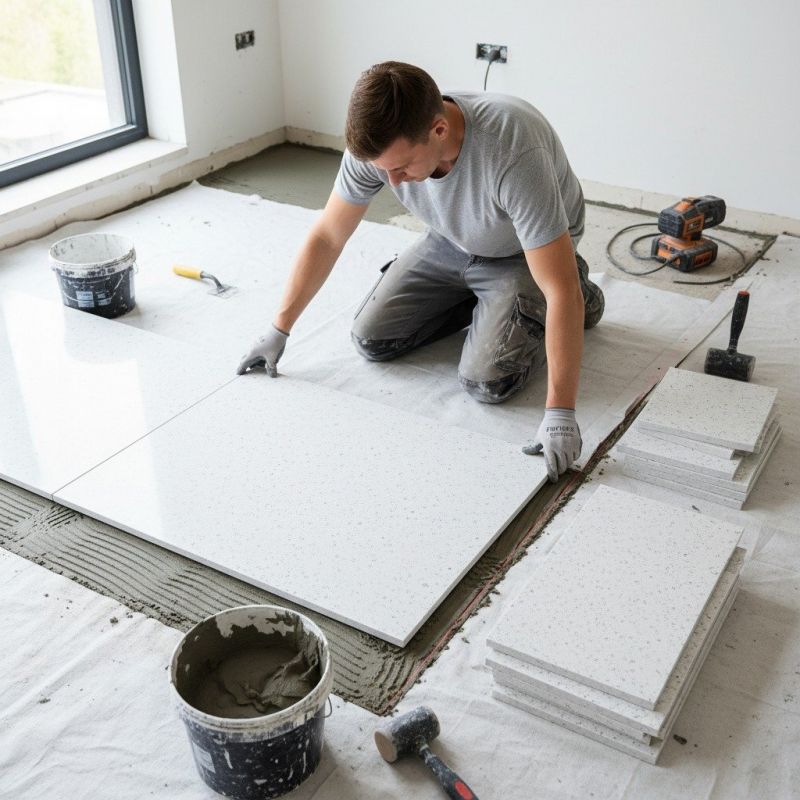
When comparing service providers for brick vs. stone flooring installation, it’s important to consider their experience with similar projects. Homeowners should inquire about the types of surfaces they have successfully installed in commercial settings, especially those involving brick or stone materials. Contractors with a proven track record in handling these specific surfaces are more likely to understand the nuances of different materials, ensuring the chosen flooring is durable and suitable for a business environment. Checking references or reviews can provide insight into their past work, highlighting whether they have consistently delivered quality results on projects comparable in scope and style.
Clear, written expectations are essential when evaluating local contractors for brick or stone flooring projects. A reputable service provider should be able to articulate the scope of work, materials used, and the installation process in detail. This helps prevent misunderstandings and ensures all parties are aligned on project goals. Homeowners should seek providers who are transparent about their procedures and can provide detailed proposals or plans, making it easier to compare options and select a contractor that aligns with the specific needs of the business space.
Effective communication is a key factor in choosing the right flooring installation service. Contractors who listen carefully to the project requirements and respond promptly to questions demonstrate professionalism and reliability. Good communication also involves providing updates throughout the project, clarifying any concerns, and ensuring that expectations are managed from start to finish. When evaluating local pros, it’s beneficial to consider their ability to clearly explain the options available for brick vs. stone flooring, helping business owners make informed decisions about the surface that best suits their operational environment.
Property owners often search for brick vs. stone flooring: choosing the right surface for businesses when they are planning practical projects around their homes and businesses. Local pros provide Brick or Stone Flooring Installation services for everyday jobs and straightforward project options.
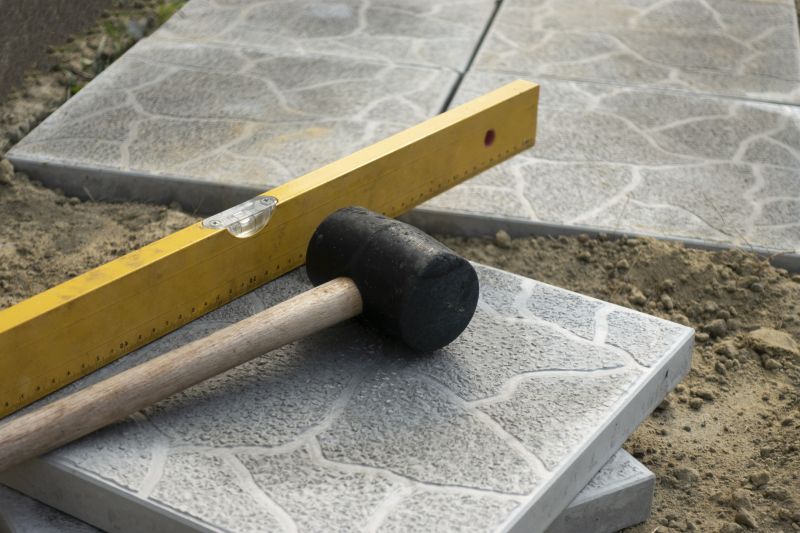
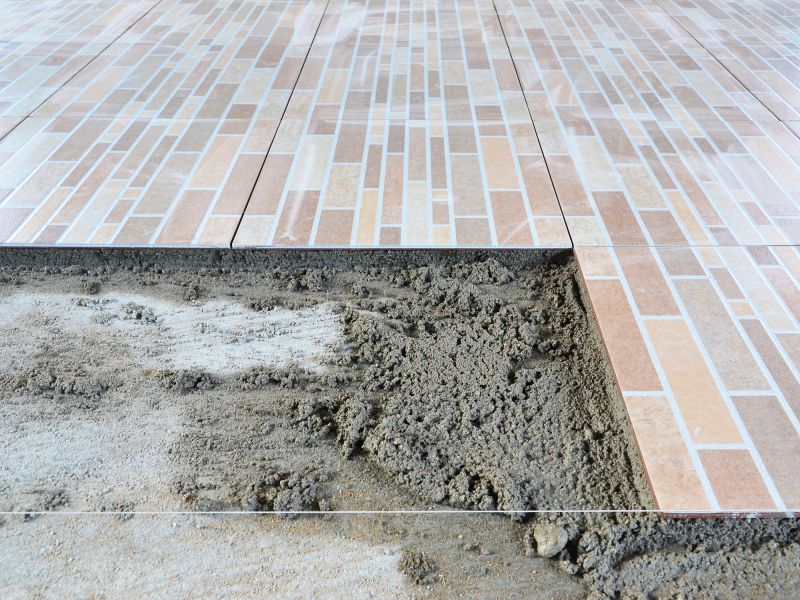
When considering brick vs. stone flooring: choosing the right surface for businesses, property owners often evaluate durability and appearance to match their commercial space's style. For busy retail stores, restaurants, or office buildings, a flooring material that withstands foot traffic and maintains its look over time is essential. Local contractors can help evaluate the specific needs of a property, offering installation options that align with the desired aesthetic and functional requirements. Many property owners turn to experienced service providers to help determine whether brick or stone flooring better suits their environment and to handle the installation process efficiently.
Business owners also explore factors like maintenance and cost when comparing brick vs. stone flooring: choosing the right surface for businesses. They might look into how each material ages or how easy it is to clean, especially in areas prone to spills or dirt. Local pros can provide guidance on these practical considerations and recommend suitable options based on the location and usage of the space. Engaging with local contractors ensures that the chosen flooring material is installed correctly, helping property owners achieve a durable and attractive surface that meets their operational needs.
What are the main differences between brick and stone flooring for businesses? Brick flooring offers a warm, traditional appearance and is often easier to install, while stone flooring provides a more natural, durable surface suitable for high-traffic areas. Local contractors can help assess which material aligns best with the business's aesthetic and functional needs.
How does the durability of brick compare to stone for commercial flooring? Stone flooring generally has higher durability and resistance to wear, making it suitable for heavy foot traffic, whereas brick may require more maintenance over time. Service providers can advise on the best options based on the specific use of the space.
Are there differences in installation requirements for brick versus stone flooring? Yes, brick flooring typically involves simpler installation processes, while stone flooring may require specialized techniques to ensure stability and longevity. Local flooring pros can handle the installation to meet the specific demands of each material.
Which flooring type is easier to maintain in a commercial setting? Brick flooring may need periodic sealing and cleaning, whereas stone flooring often requires less maintenance and can be more resistant to staining. Service providers can recommend maintenance practices suited to each surface.
Can local contractors help decide whether brick or stone flooring is better for a business? Absolutely, experienced local service providers can evaluate the space, usage, and aesthetic goals to recommend the most appropriate flooring material for the business's needs.
Assessing durability and usage - Property owners can evaluate the expected foot traffic and wear to decide whether brick or stone flooring will withstand daily business activities effectively.
Matching style and design - Business owners might choose between brick’s classic look or stone’s natural appeal to complement their branding and interior or exterior aesthetics.
Considering maintenance needs - Planning for cleaning and upkeep, property owners can select a surface that aligns with their maintenance capabilities and operational hours.
Evaluating installation options - Property owners can explore different installation techniques offered by local contractors to ensure a proper fit for their chosen flooring material.
If you are thinking about brick vs. stone flooring: choosing the right surface for businesses for a property, this guide is meant to help you understand this topic, the typical project types, and how different options might fit your plans.
When you are ready, you can use the quote form on this page to share a few details about your project. From there, local pros can review the basics and follow up with options that match what you have in mind.